

Latest
Prague's green spaces under scrutiny as auditors question EU-funded park projects
The Supreme Audit Office found EU-funded public-space projects delivered less greenery and rainwater capacity than expected, with some benches costing over 150,000 CZK.
19 October 2026 · 4 min read
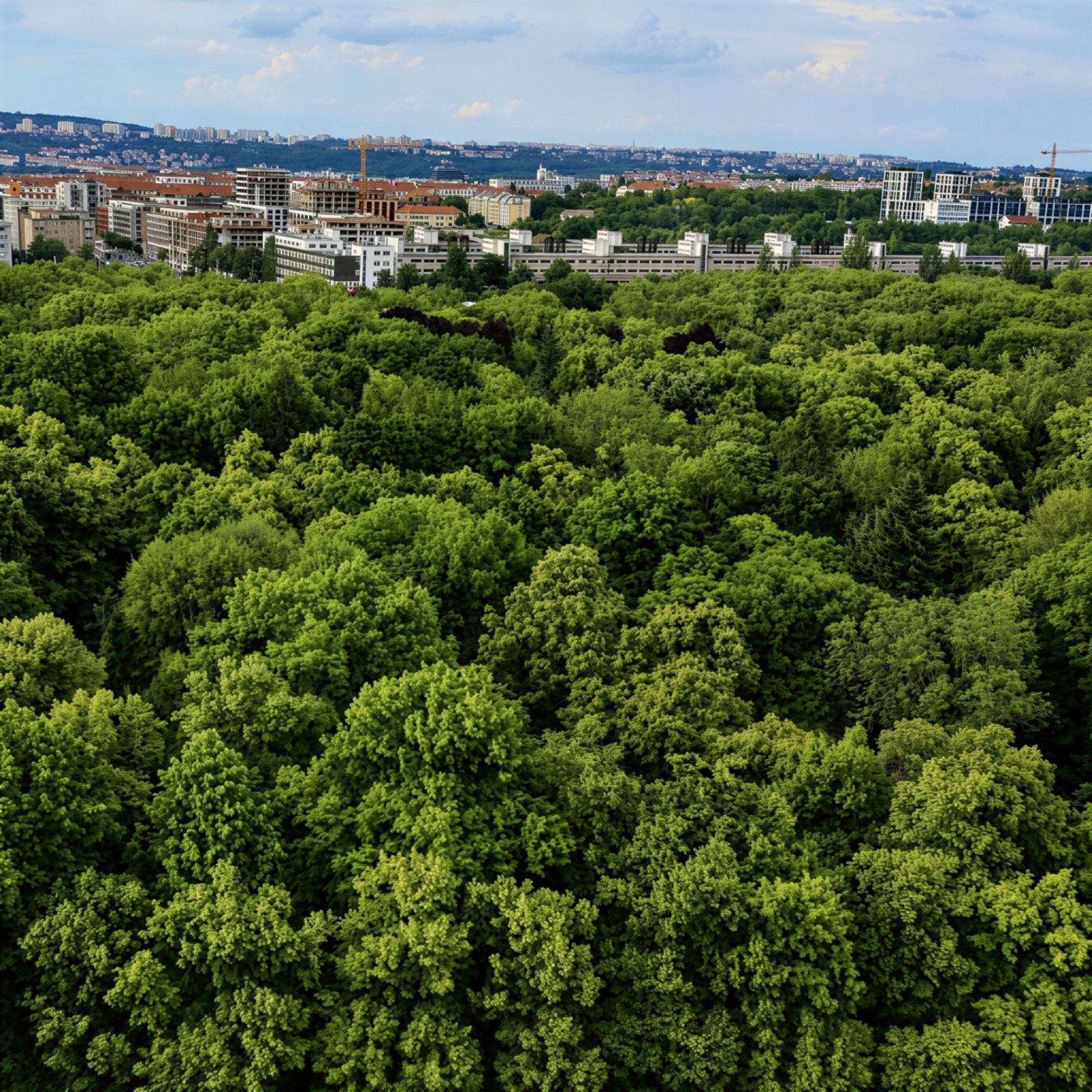
Prague is a city of parks and green spaces. Letná, Petřín, Stromovka and Divoká Šárka are well known to locals, while tourists often enjoy the Wallenstein Gardens and other jewels.
Large parks and much smaller green spaces are vital to the wellbeing of individuals and to urban areas as a whole.
But creating and maintaining these essential parts of the local ecosystem requires effective investment, which is coming under scrutiny in the Czech capital.
A new report from the Czech Republic's Supreme Audit Office (SAO) suggests the answer is only partly yes. Projects funded under the Integrated Regional Operational Programme (IROP) did help restore public spaces, the auditors found, but they delivered fewer green areas and smaller environmental benefits than expected.
Greenery a small slice
In several of the audited projects, green infrastructure made up less than 5% of the total supported area. In some cases it was under 1%.
The gap was just as clear on rainwater. The Ministry of Regional Development (MMR) had originally estimated that the programme would create 52,448 cubic metres of retention capacity. Subsidy recipients, however, pledged to build less than a third of that volume.
The auditors also raised concerns about how generously the projects were funded. Aid intensity reached as much as 95% of total expenditure in some cases, which the SAO said increases the risk of ineffective spending.
The 150,000 crown bench
The SAO examined whether money was spent legally, effectively and economically between 2021 and 2025. By the end of June, 457 projects had been approved, with nearly 1.3 billion CZK paid out. Auditors looked directly at 13 recipients, who together received about 192 million CZK.
Among their findings was a wide gulf in the price of street furniture. A basic outdoor bench, including assembly, cost around 11,000 CZK in some municipalities. Elsewhere, benches cost more than 150,000 CZK, and solar-powered versions topped 200,000 CZK.
The SAO's position was clear: above-standard equipment should not be paid for with IROP subsidies, and municipalities that want it should foot the bill themselves.
Ministry pushes back
The MMR defended the programme's design. It said IROP funding was never intended solely for greenery, but also covered water surfaces, infiltration areas and riverbank modifications. It added that only a minority of beneficiaries received the maximum 95% support rate.
On rainwater, the ministry said the 52,448 cubic metre figure was an estimate rather than a binding target. It did, however, acknowledge the auditors' concerns about expensive street furniture and indicated it may introduce spending caps on such items from 2028.
Gaps in the data
Perhaps the most striking criticism concerned monitoring. The ministry does not track the total area of newly built green space, the SAO said, and lacks precise information on how well subsidies address the problems they are meant to solve. Figures on how many residents use modernised green spaces rest on beneficiaries' own subjective estimates rather than verified data.
The auditors also noted that the ministry never set a mandatory minimum share of green space within supported public areas.
What happens next
The SAO's central recommendation is that project selection criteria should place greater weight on revitalising greenery and managing rainwater. The MMR has agreed to build the recommendations into the next programming period.
For a city that prizes its parks, the findings are a reminder that restoring a public square does not automatically make it greener, and that without clear targets and reliable data, it is hard to know whether public money is delivering the green spaces residents expect.
Data sources
- Supreme Audit Office of the Czech Republic (NKÚ) — audit of IROP-funded public-space projects